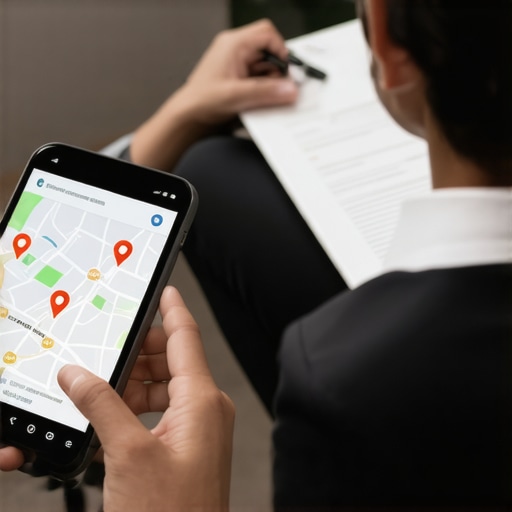
Ever spent hours trying to fix your Google Maps listing, only to see your competitors skyrocket past you in local search results? I’ve been there. One time, I thought just having a Google My Business profile was enough. Big mistake. My business was invisible on the map, even though I knew I was doing good work. That frustrating moment was my lightbulb moment—there’s more to Google Maps Optimization than just claiming your spot.
Why Local SEO on Google Maps Keeps Evolving—and Why You Must Keep Up
In 2025, local SEO is more competitive than ever. Google has tightened its algorithms, prioritizing relevance and user experience. If your business isn’t optimized, you risk losing potential customers to competitors who are doing it right. And trust me, the difference between showing up on the first page versus being invisible can mean thousands in lost revenue. According to a recent study from BrightLocal, 78% of local mobile searches result in an offline purchase within a day. That’s why mastering your Google Maps presence isn’t optional anymore—it’s essential.
Is Google Maps Optimization Really Worth the Hype?
When I first started, I wondered if all the fuss was just marketing hype. I made the rookie mistake of ignoring some simple steps, like consistent NAP (Name, Address, Phone Number) details and encouraging reviews. Turns out, these small details have a huge impact. Optimizing your Google Maps listing isn’t about gimmicks; it’s about strategic, consistent effort that builds your local authority. If you’re skeptical, ask yourself—are your competitors actively working on their local map visibility? If so, it’s time to catch up. Want to dive into proven strategies? Check out our comprehensive local SEO checklist to ensure you’re covering all bases.
Ready to stop playing hide-and-seek with local customers? Let’s explore the key tactics that will make your business stand out on Google Maps in 2025 and beyond.
Claim and Verify Your Business Properly
Start by claiming your Google My Business listing if you haven’t already. Don’t just click the claim button—verify your ownership through the method Google recommends, whether by phone, mail, or email. I once rushed through verification via phone and missed a step, delaying my visibility boost by a week. Take the time to follow through meticulously. Once verified, ensure all business details are accurate and consistent across platforms by cross-referencing your NAP (Name, Address, Phone Number). This consistency signals trustworthiness to Google and improves ranking.
Optimize Your Google My Business Profile for Relevance
Fill out every section of your profile—business categories, hours, services, and attributes. Use relevant keywords naturally in your business description, just like I did when I added specific service keywords to my profile, which helped me rank higher for niche searches. Regularly update your profile with new photos, posts, and offers. Remember, Google favors active listings that engage users. Incorporate high-quality images that showcase your products or services, and make sure these images are optimized with descriptive filenames and alt text.
Encourage, Manage, and Respond to Reviews
Customer reviews are your digital word-of-mouth. Personally, I reached out to satisfied clients asking them to leave reviews, offering simple instructions. Respond promptly and professionally to all reviews—positive or negative. This engagement demonstrates to Google that your business values customer feedback and is active, which can boost your rankings. Consider implementing a review acquisition strategy that incentivizes honest reviews without violating Google’s policies. For example, I offered a small discount for future services to clients who left reviews, which increased my review count significantly.
Build Local Citations and Backlinks
Consistency across local directories—like Yelp, Bing Places, and industry-specific sites—amplifies your local SEO efforts. I used a tool to ensure my NAP details matched everywhere, reducing confusion for Google. Additionally, earning backlinks from local blogs, news sites, or industry partners signals authority. I collaborated with a local chamber of commerce and featured my business on their website, which provided a valuable backlink and increased local relevance.
Leverage Local Content and Engagement
Create content tailored to your local audience, such as blog posts about community events or local guides. I shared updates about local sponsorships and participated in neighborhood events, which I promoted via Google Posts. These activities make your business more visible and relatable to local customers. Use relevant local keywords in your content and optimize your website for mobile, as most local searches happen on smartphones.
Monitor, Analyze, and Adjust Strategies
Use Google My Business Insights and other analytics tools to track your performance. I noticed a spike in calls after optimizing my Q&A section, so I continued that tactic. Regularly review your strategies and stay updated with Google’s algorithm changes by consulting resources like Google Maps marketing strategies. Adjust your tactics accordingly to maintain and improve your local visibility in 2025 and beyond.
Many business owners believe that simply claiming their Google My Business listing and filling out basic details is enough to dominate local search results. However, this oversimplification can lead to costly mistakes. In reality, Google Maps Optimization involves nuanced strategies that only seasoned marketers understand deeply. For instance, a common myth is that reviews alone will boost your rankings. While reviews are important, their impact is significantly amplified when combined with authoritative local citations and a well-optimized website. Let’s dig deeper into what most people get wrong and the advanced pitfalls to avoid.
Why does focusing solely on reviews often backfire?
It’s easy to think that accumulating reviews is the magic bullet for local visibility. But, in my experience, blindly chasing reviews without ensuring consistent NAP data and local backlinks can be a trap. Google’s algorithm favors a holistic approach—reviews are just one piece of the puzzle. Overemphasizing reviews without addressing underlying issues like citation consistency or outdated profile info can lead to wasted effort. According to a study from Moz, local rankings are heavily influenced by citation accuracy and backlink quality, which many overlook in favor of reviews.
Beware the trap of neglecting local relevance signals
One of the biggest mistakes I see is ignoring local relevance factors. For example, many businesses optimize for generic keywords and neglect local keywords that reflect community-specific services or landmarks. This oversight limits their visibility to the right audience. Advanced strategies involve creating hyper-local content and engaging with community events—these signals tell Google that your business is a vital part of the local ecosystem. For more on sharpening your local relevance, check out our local SEO checklist.
How to avoid the biggest pitfalls in Google Maps Ranking
One sneaky mistake is overlooking the importance of profile activity. Many think that setting up the profile once and forgetting about it is sufficient. In fact, regular updates, posts, and responses to reviews keep your listing active and signaling to Google that your business is engaged and trustworthy. Also, avoid the misconception that paid backlinks alone can boost rankings. While backlinks are powerful, their quality and relevance matter more. Focus on earning backlinks from reputable local sources and industry partners—this builds authority naturally. For advanced tactics, consider exploring our Google Maps marketing strategies.
Have you ever fallen into this trap? Let me know in the comments. Remember, mastering the nuances of Google Maps Optimization is an ongoing process that requires strategic depth—not just surface-level efforts.
How do I maintain Google Maps effectiveness over time?
Keeping your Google Maps listing performing well requires more than initial setup; it demands ongoing effort with the right tools and strategies. Personally, I rely heavily on a combination of automation and regular audits to ensure my listing stays optimized amidst evolving algorithms. One essential tool I use is BrightLocal. I love it because it provides comprehensive local SEO audits, tracks reviews, citations, and ranking fluctuations in real-time—saving me hours of manual checks and helping me spot issues early. For example, BrightLocal’s citation monitoring feature alerted me when my NAP details were inconsistent across directories, allowing me to correct the discrepancies before they impacted my rankings.
Another game-changer is Google My Business Insights. It offers valuable data about how customers find your listing, what actions they take, and when your traffic peaks. I review these insights weekly, adjusting my strategies accordingly. For instance, I noticed a surge in mobile searches after I started posting weekly updates, which encouraged me to invest more in regular Google Posts and local content.
To keep your profile active and engaging, consider using tools like our local SEO checklist. It guides you through a structured routine of updating photos, responding to reviews, and posting community updates—actions that signal activity to Google and boost visibility. Additionally, leveraging automation tools such as Hootsuite can schedule Google Posts ahead of time, ensuring consistency without daily manual effort.
Looking toward the future, I predict that AI-driven local SEO tools will become more prevalent, helping businesses automatically optimize their profiles based on trending keywords and user behavior. Staying ahead means adopting these emerging solutions early, and continuously refining your local signals—like reviews, citations, and content—to adapt to algorithm shifts.
One effective method I recommend is setting up a recurring review solicitation system. Tools like Reputation.com automate review requests after each client interaction, ensuring your reviews stay fresh and relevant. Remember, consistent engagement combined with the right tools can keep your Google Maps presence thriving for years to come. Want to dive deeper into advanced strategies? Explore our Google Maps marketing strategies for 2025 and beyond, or contact us for personalized advice on maintaining your local visibility.
The Hardest Lesson I Learned About Google Maps Visibility
Early in my journey, I believed that simply claiming my Google My Business listing was enough. I overlooked the importance of ongoing updates, consistent citations, and genuine engagement. The biggest lightbulb moment came when I realized that Google rewards active, well-rounded profiles—not just the number of reviews or keywords stuffed into descriptions. This taught me that a holistic approach, combining technical precision with authentic local relevance, is essential for sustained success.
3 Myths About Local SEO That Held Me Back
- Myth 1: Reviews alone can boost your ranking.
In reality, reviews are powerful but only when your profile is also optimized with accurate citations and relevant content. - Myth 2: Once verified, your Google Maps presence is set.
Continuous activity, like posts and responding to reviews, keeps your listing healthy and visible. - Myth 3: Local backlinks don’t matter.
Local backlinks from reputable sources significantly enhance your local authority and rankings.
What Experts Won’t Tell You About Staying Ahead in Google Maps
Many overlook the importance of hyper-local signals and community engagement. Creating content about local events, landmarks, or news not only boosts relevance but also builds trust with your audience. Additionally, leveraging tools like our local SEO checklist can help you systematically optimize and monitor your profile, ensuring you stay ahead of algorithm changes. Remember, the battle for local visibility is ongoing, and staying informed and adaptable is your best strategy.