I remember the exact moment I realized my local visibility was slipping away. It was a busy Saturday morning, and I was staring at my Google Maps listing, hoping for a surge of new customers—only to see my competitors climbing the ranks while my profile sat stagnant. That lightbulb moment hit hard: I was missing critical marketing steps that could have saved my local presence. If you’ve ever felt that sinking feeling, you’re not alone. Many small businesses are unknowingly leaving invaluable visibility on the table, especially as digital search evolves rapidly.
Today, I’m here to share with you the tried-and-true strategies I’ve personally used—and refined—to reclaim and even boost our local reach for 2026. These five Google Maps marketing steps are not just buzzwords; they’re actionable tactics grounded in real-world experience and expert insights. Mastering them can transform your local SEO game, helping you stand out in a crowded marketplace.
Why Local Visibility Is More Competitive Than Ever
Local search is the heartbeat of small business success. According to recent studies, 78% of local mobile searches result in an offline purchase, underscoring the importance of being visible where customers are searching. Yet, with every passing year, the competition intensifies. Local SEO algorithms are getting smarter, and traditional methods alone no longer suffice.
In my early days, I made a costly mistake: I believed that simply creating a Google My Business profile was enough. I underestimated the power of consistent updates, reviews, and strategic tweaks. That oversight meant lost opportunities—and it’s a mistake I see many others making. For businesses aiming for 2026 success, understanding and implementing a comprehensive Google Maps marketing plan isn’t optional; it’s essential.
Now, as we gear up for the future, I’m excited to guide you through the specific steps that can make or break your local visibility in 2026. If you’re tired of watching competitors dominate and ready to take control, keep reading. The solutions are closer than you think.
Want to know the secrets that can turn your local map visibility around? Let’s dive into the core strategies that have helped countless local businesses thrive amid fierce competition.
Prioritize Your NAP Consistency
Ensure your Business Name, Address, and Phone Number (NAP) are identical across every online platform, especially your Google My Business profile. I once updated my number on my website but forgot to modify it on local directories, causing confusion and losing visibility. Use tools or checklists like this local SEO checklist to keep track of consistency. Think of your NAP as the foundation of your local map presence—if it’s shaky, everything else collapses.
Optimize Your Google My Business Profile
Fill out every field: categories, business hours, description, services, and images. When I added detailed service descriptions with targeted keywords, I saw a noticeable uptick in local inquiries. Use Google Maps strategies to guide your optimization. Visual proof is powerful—I’ve seen photos boost user engagement—so regularly upload fresh, high-quality images. 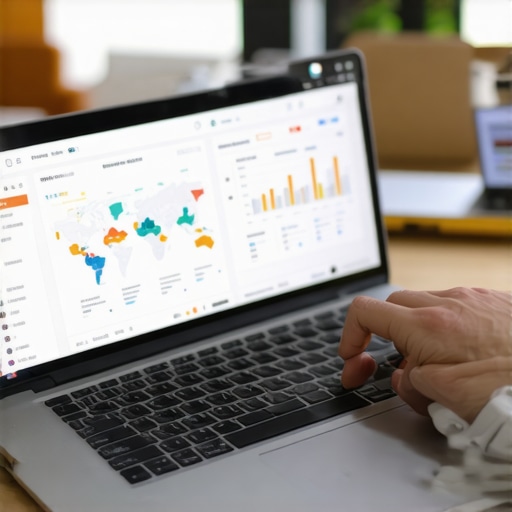
Gather and Manage Reviews Actively
Prompt satisfied customers to leave reviews consistently; I made it a habit to send follow-up messages after service. Respond promptly and professionally to all reviews—both positive and negative—to signal engagement. Use review management tools to monitor feedback. Remember, reviews are the social proof that convinces prospective clients to choose your business over competitors. For detailed tactics, check out this review strategy guide.
Implement Local Keyword Strategies
Target geo-specific keywords in your website content, service descriptions, and Google My Business posts. I experimented by inserting neighborhood names naturally into my content, which helped me rank in nearby searches. Use keyword research tools to identify high-value terms and integrate them seamlessly. This approach is like planting breadcrumb trails for Google—making it easier for your profile to appear for relevant local searches.
Create Contextual, Location-Relevant Content
Publish blog posts, offers, or updates anchored in local events or community news. I once shared a story about a local event, which resulted in community shares and increased visibility. This content messaging demonstrates your business’s active engagement with the local area and helps you appear in specialized searches. Leverage maps marketing checklists to stay aligned with current best practices.
Monitor Your Insights and Adjust
Regularly analyze your Google My Business insights and Map Pack rankings. I used these data points to tweak my keywords and posting frequency, which resulted in a steady climb back up the rankings. Tools and dashboards can help you identify what’s working and where gaps remain. Think of this as your GPS—guiding your efforts efficiently toward your local marketing goals.
While many believe that simply activating a Google My Business profile guarantees top local rankings, the reality is far more intricate. One prevalent misconception is that the checklist for Google Maps marketing is solely about ticking boxes—optimizing your profile, gathering reviews, and adding photos. However, in my experience, this approach often overlooks the complex algorithms at play, which incorporate user intent signals, proximity factors, and semantic relevance. Relying only on a basic local SEO checklist can lead businesses into the trap of superficial optimization, missing the nuanced factors that influence ranking in 2026. For example, Google’s recent shift towards AI-driven local search means that context, intent, and user behavior are now embedded deeply into their ranking models. This is why advanced tactics, like leveraging natural language keywords in your descriptions or using location-specific content, are essential.
A common trap many fall into is neglecting the importance of consistency beyond just NAP—such as harmonizing your business categories, attributes, and even service menus across platforms. This oversight creates confusion within Google’s local relevance calculations. Instead, think of your map marketing as a cohesive puzzle—each piece, from citations to reviews, must align seamlessly. For advanced insights, consult comprehensive resources such as the ultimate map pack checklist.
Now, for the seasoned marketer, a critical question arises: How can local SEO adapt to the evolving landscape of AI-powered search and personalized results? Understanding the depth of Google’s semantic algorithms can make or break your strategy. In fact, experts like Rand Fishkin emphasize that tailored content aligned with local user intent is now a core component of high-ranking local listings, surpassing traditional keyword stuffing tactics. To stay ahead, continuously analyze your insights and refine your approach—don’t let old habits limit your growth.
Have you ever fallen into this trap? Let me know in the comments. Mastering these nuances will give you a real edge in local search dominance.Maintaining a robust and effective local SEO and Google Maps marketing system requires more than just occasional updates; it demands the right toolkit and consistent routines. Personally, I rely heavily on specialized software that streamlines tasks like citation management, review monitoring, and performance tracking. For example, BrightLocal has become indispensable for me in maintaining NAP consistency across directories. Its automated audit features save hours, identifying inconsistencies that otherwise might cause ranking drops. Additionally, Whitespark’s Local Citation Finder helps identify high-quality citation opportunities, ensuring my business remains well-connected in local ecosystems.
Tools like this comprehensive local SEO checklist recommend regular audits of your online presence—something that’s tedious to do manually without automation. Incorporating these tools into your routine not only saves time but improves accuracy, which directly impacts your visibility in the map pack.
Predicting the future of map marketing, I believe AI-driven analytics will become standard. Tools that can interpret user intent, sentiment, and behavioral signals will offer even more precise insights, allowing for hyper-targeted campaigns. Staying ahead means adopting software that integrates AI capabilities—think of it as upgrading from a manual map to a GPS with real-time traffic updates.
How do I maintain my Maps marketing systems over time? Consistency is key, and that’s where scheduled automations and regular performance reviews come into play. I set weekly check-ins using dashboards from tools like BrightLocal and analyze insights from Google My Business itself to catch any anomalies early. Creating a habit of routine monitoring ensures your maps presence doesn’t just survive but thrives, adapting swiftly to algorithm changes.
To maximize your efforts, I recommend trying out advanced features like automated review alerts or citation audits. These small upgrades can significantly impact your rankings by catching issues before they escalate. For instance, regularly auditing your citations with Whitespark helps prevent the fragmentation of your online presence—a Common mistake I see in many local businesses. Implementing these systems takes minimal setup but yields long-term rewards, helping you stay competitive in an evolving landscape.
Investing in the right tools and routines now positions you for sustained success as local search continues to innovate. Remember, staying static in your tech approach means falling behind. So, pick one area—perhaps citation management or review monitoring—and make a plan to incorporate automation into your weekly routine. Over time, this disciplined approach will be the backbone of your high-visibility map marketing strategy, ensuring your business remains front and center in local searches.
Lessons I Didn’t Expect to Learn the Hard Way
One of the biggest surprises in my journey was realizing that Google Maps ranking factors are constantly evolving, meaning strategies that worked last year might not suffice today. This taught me to stay adaptable and always test new methods rather than relying solely on past successes. Additionally, I discovered that neglecting review management could silently sabotage my visibility, emphasizing the importance of actively engaging with customer feedback. Lastly, I found that community-focused content creates a genuine connection with local audiences, which algorithms tend to favor—proving that authenticity often outperforms gimmicks in local SEO.
Tools and Resources That Truly Move the Needle
For me, this local SEO checklist is indispensable—it keeps my efforts focused and comprehensive. I trust the proven strategies outlined here because they are based on real-world results and continuous updates. To streamline citation consistency, BrightLocal provides automation that saves time and minimizes errors. Lastly, this master checklist offers a roadmap tailored to the nuances of 2026’s landscape, making it my go-to resource for staying ahead.
Your Next Steps in Maps Marketing Mastery
Remember, the future of local maps marketing isn’t something to fear—it’s an opportunity waiting for those willing to act. Every step you take today, from optimizing your profile to engaging with your community, plants seeds for long-term growth. Dive into the strategies discussed here and leverage tools designed to amplify your efforts. Don’t wait for the algorithms to change—be proactive and adapt now, ensuring your business remains prominent in 2026 and beyond. Are you ready to implement these tactics and transform your local visibility? Share your plans or ask questions below—I love hearing your insights!
Reading through this detailed overview really hits home how essential consistent and strategic Google Maps marketing is, especially as the local search landscape becomes more competitive. I can relate to the importance of NAP consistency—I once lost a few rankings because I overlooked updating my listing across different directories, which caused confusion for Google and potential customers. It’s incredible how small details like that can make such a big difference. I also appreciate the emphasis on reviewing and engaging with your community—responding to reviews not only boosts credibility but also signals active management, something I’ve found to be pivotal in maintaining visibility.
One thing I’m curious about is how others are balancing local content creation with technical optimization. Has anyone found effective ways to incorporate community stories or events into their Google My Business updates without sounding overly promotional? I believe that engaging content can really set a business apart, especially if it resonates locally. Would love to hear some practical tips or examples others have employed to keep their local audiences engaged while also climbing the rankings.
This post really highlights the comprehensive approach needed for local visibility—it’s not just about having a profile but actively managing and optimizing every aspect consistently. I’ve noticed that focusing on community-driven content, like sharing local success stories or participating in neighborhood events, can significantly boost engagement and relevancy. It’s interesting how this aligns with the point on creating location-relevant content. In my experience, even small partnerships with local organizations and showcasing these collaborations on GMB can enhance trustworthiness and local rankings. Have others found that integrating community stories into Google My Business posts helps improve their visibility? I’d love to hear some examples or strategies that have worked well for pushing local content without it feeling overly promotional, yet still engaging for audiences.