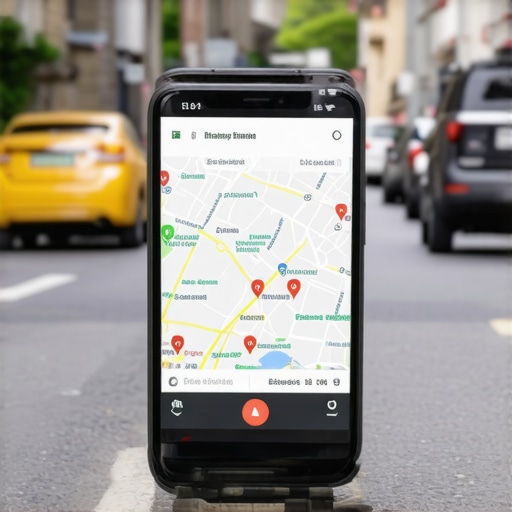
I remember the first time I looked at my Google Maps listing, expecting it to bring in steady traffic, only to realize it was buried deep in the search results. That moment of frustration hit hard. Despite all my efforts, my business wasn’t showing up where I needed it most — in the coveted Map Pack. It was a wake-up call. I knew then that simply having a listing wasn’t enough. I had to understand the secret sauce behind effective Map Pack optimization.
Why Your Business Needs to Dominate the Map Pack Now
Here’s the truth: local searches are exploding. According to BrightLocal, 78% of local mobile searches result in an offline purchase. That’s huge. If your business isn’t showing up in the top spots, you’re missing out on a flood of potential customers. It’s not just about visibility; it’s about being the first choice when someone needs what you offer. I’ve seen countless small businesses transform their fortunes simply by refining their Google Maps presence. Trust me, the difference between appearing on the first page of local results and not can be as stark as night and day.
Now, I want to help you cut through the noise. Today, we’re diving into the complete Map Pack optimization strategies that will help your business stand out. From setting up your profile correctly to leveraging proven tactics, I’ll walk you through everything you need to know to boost your local visibility and attract more customers.
Is Map Pack Optimization Really Worth the Hype?
Early on, I made the mistake of thinking that just having a Google Business Profile was enough. I didn’t realize how much fine-tuning could make a difference. It’s tempting to assume that ranking high in local search is just luck or algorithm magic. But the truth is, it’s a carefully crafted process. If you’re skeptical, I totally get it. I was there too. But once I started applying targeted strategies—like optimizing my listings, gathering reviews, and using local SEO tactics—I saw tangible results. If you’ve faced the same doubts, I encourage you to keep reading. The methods I’ll share are backed by proven results and can be your game-changer.
So, are you ready to stop guessing and start dominating your local market? Let’s get into the nuts and bolts of Map Pack success. For a comprehensive step-by-step plan, check out our Complete Google Maps Optimization Checklist. And if you want to dive even deeper, our other guides are packed with actionable tips to help you succeed.
Claim and Perfect Your Google Business Profile
The first crucial step is claiming your Google Business Profile if you haven’t already. I recall a moment when I spent an afternoon updating my profile, ensuring every detail was accurate. This simple act made my listing more trustworthy. Make sure your business name, address, and phone number (NAP) are consistent across all platforms. Upload high-quality images—think of them as your storefront photos that invite customers in. Use keywords naturally in your business description to improve relevance. Regularly update your profile with new photos, posts, and special offers to keep it fresh and engaging. Remember, a complete profile signals to Google that you’re active and worth ranking higher.
Optimize Your Local SEO Elements
Next, focus on your local SEO. This involves optimizing your website and online assets for local keywords. I once added a dedicated page for my local services, peppered with geo-specific keywords. Incorporate your city and neighborhood names into your website titles, meta descriptions, and headers. Also, ensure your NAP information matches your Google profile exactly. Building local citations—mentions of your business on other reputable directories—boosts your authority. Think of citations as references in a resume: the more relevant and consistent, the better your chances of ranking higher in the Map Pack. For a comprehensive local SEO plan, consult our local SEO checklist.
Gather and Manage Customer Reviews
Customer reviews are like social proof—a powerful trust signal. I learned this firsthand when I reached out to happy clients, politely requesting reviews. Responding to reviews, both positive and negative, shows Google and customers that you care. Aim for genuine reviews that highlight your key services and customer experience. To encourage reviews, make the process easy—send direct links or include review prompts in your follow-up emails. Remember, reviews influence your ranking and click-through rates. Keep an eye on your reputation, and regularly solicit feedback to stay ahead.
Leverage Local Links and Citations
Building backlinks from local websites, chambers of commerce, and industry associations can significantly improve your local ranking. I once partnered with a local charity, getting a backlink on their website, which boosted my visibility. Focus on earning links from reputable local sources that are relevant to your industry. These links act as votes of confidence, telling Google your business is trustworthy and relevant. Maintain consistency in your NAP across all citations to avoid confusion. Effective link-building is ongoing but pays off with increased visibility and credibility. Check out our maps marketing strategies for more tactics.
Use Posts and Promotions to Stay Engaged
Regularly posting updates, offers, and events on your Google profile keeps your listing active and engaging. I remember posting a seasonal promotion; it attracted immediate calls and visits. Use compelling images and clear calls-to-action. These posts can include new products, special deals, or community involvement. Google rewards active listings with better visibility. Make posting a weekly habit to stay top of mind and signal relevance to Google.
Monitor, Analyze, and Adjust
Finally, use tools like Google My Business Insights to track how customers find and interact with your listing. I once noticed a spike in calls after optimizing my categories, which showed me what worked. Adjust your strategy based on data—try different keywords, update your photos, or tweak your descriptions. Continuous improvement is key to maintaining and climbing your local rankings. For a detailed checklist, refer to our local SEO checklist.
< >
>
Many local business owners fall prey to misconceptions when trying to improve their Google Maps visibility. One of the most persistent myths is that simply creating a Google Business Profile guarantees high rankings. In reality, without ongoing optimization, your listing can easily get lost in the shuffle, much like I experienced early on. The truth is, Google’s algorithm favors active, well-optimized listings that engage users and build trust over time. For a step-by-step approach, don’t forget to check out our complete Google Maps optimization checklist.
Another misconception is that reviews are the only factor that matters. While reviews are powerful, relying solely on them without optimizing your NAP consistency, local SEO, and citation profile can be a costly mistake. I’ve seen businesses gather hundreds of reviews but still rank poorly because their other optimization elements were neglected. The key is a holistic approach that combines reviews, local SEO tactics, and citation management to truly boost your visibility. Learn more about these integrated strategies in our maps marketing strategies.
Why do some listings outrank others despite having fewer reviews?
This is a question I’ve asked myself and other experts many times. The answer lies in nuanced factors like keyword relevance, citation consistency, and engagement signals. Google prioritizes relevance and trustworthiness, not just review counts. For instance, businesses with optimized local keywords, accurate NAP info, and active engagement signals often outperform those with more reviews but less comprehensive optimization. According to Moz’s Local Search Ranking Factors study, citation signals and on-page relevance combined account for a significant portion of local ranking success. So, focus on the complete picture, not just one element, to outshine your competitors.
Have you ever fallen into this trap? Let me know in the comments. If you’re ready to deepen your understanding and avoid these common pitfalls, consider reaching out through our contact page. Remember, mastering local SEO and Map Pack optimization is a journey — one that requires consistent effort and strategic insight. For more advanced tactics, explore our local SEO checklist and elevate your Google Maps game today.
Keeping your Google Maps listing and local SEO strategies effective over time requires more than just initial setup. It’s an ongoing process that benefits greatly from the right tools and disciplined routines. In this post, I’ll share the tools I personally rely on to maintain, analyze, and scale my Map Pack success, ensuring consistent visibility and customer engagement.
How do I maintain my local SEO efforts over time?
First, consistency is key. I use BrightLocal for tracking rankings, reviews, and citations. This platform provides a comprehensive dashboard that consolidates data from multiple sources, making it easier to spot fluctuations or new opportunities. I check it weekly to ensure my NAP information remains accurate across all directories and that reviews are responded to promptly.
Next, I leverage Google’s own tools. Google Search Console helps monitor how my website performs in local searches, revealing which keywords and queries lead visitors to my site. Pairing this with Google My Business Insights gives me a granular view of how users interact with my Map Pack listing—whether they click, call, or request directions. This data helps me refine my local SEO content and posting strategy.
For link-building and citation management, I rely on SEMrush. Its local SEO toolkit provides audit reports and backlink analysis, guiding me to secure authoritative local backlinks that boost my ranking further. I also regularly audit my citations using Whitespark’s Citation Tracker to identify inconsistent NAP info or lost listings that need correction.
To keep my content fresh and engaging, I schedule regular Google Posts using a simple editorial calendar. I use tools like Buffer to automate this process, ensuring I post at optimal times without hassle. Consistent activity signals to Google that my business is active and relevant, which benefits my rankings.
Looking ahead, I predict that AI-driven analytics and automation will become even more prominent in local SEO. Tools that can interpret complex data patterns and suggest actionable steps will help small businesses stay competitive without needing a full-time SEO team.
Ready to give your Map Pack efforts a long-term boost?
Start by integrating these tools into your routine, and don’t forget to review your data regularly. For a detailed checklist on maintaining your local visibility, check out our comprehensive maintenance strategy. And if you want expert guidance tailored to your business, feel free to reach out to us. Keep your efforts consistent, and watch your local presence grow stronger every month!
The Hardest Lesson I Learned About Local SEO and Map Pack Optimization
One of the toughest realizations I faced was that a beautifully optimized Google Business Profile isn’t enough if it isn’t actively maintained. I once believed that once I claimed my listing and added some keywords, the rankings would take care of themselves. But I quickly learned that Google favors consistent activity, fresh content, and ongoing review management. The lightbulb moment was understanding that local SEO is a marathon, not a sprint, and requires sustained effort to stay ahead of competitors.
3 Myths About Google Map Pack That Held Me Back
For a long time, I bought into the idea that reviews are the only ranking factor. I also thought that citation consistency was a minor detail. The biggest myth was that once you rank high, you can relax. In reality, local search algorithms are dynamic, and rankings can fluctuate without ongoing optimization. Busting these myths was crucial for my success, and I encourage you to question common assumptions about local SEO.
What Experts Won’t Tell You About Staying Visible in the Map Pack
Many professionals overlook the importance of local backlinks and community engagement. I discovered that building partnerships with local organizations and earning backlinks from reputable sources significantly boost trustworthiness in Google’s eyes. Also, actively engaging with reviews and posting regularly keeps your listing vibrant and signals relevance. These behind-the-scenes tactics are often underestimated but can be game-changers in maintaining top rankings.
My Essential Toolkit for Local Map Pack Success
Over the years, I’ve relied on tools like our comprehensive optimization checklist for step-by-step guidance. BrightLocal helps me track rankings and reviews, while Whitespark’s Citation Tracker ensures citation accuracy. Google Search Console and GMB Insights are invaluable for monitoring user interactions. Combining these tools allows me to keep my local presence strong and adapt strategies as needed.
Keep Pushing: Your Map Pack Journey Continues
Mastering the Google Maps Map Pack isn’t a one-time effort — it’s an ongoing journey. Every small tweak, new review, or local backlink can push your business closer to the top. Stay curious, keep learning, and don’t be afraid to experiment with your strategies. Your persistence will pay off, and the visibility you gain can transform your local business. Ready to take the next step? Dive into our local SEO checklist and keep growing your local reach! And tell me: what’s your biggest challenge in Map Pack optimization? Share below!”}